How to Prolong the Lifespan of Your Septic System with Regular Maintenance Feb 03, 2026
First and foremost, understanding how often to pump your septic tank is crucial. The frequency of pumping depends on various factors including the size of your septic tank, the number of people in your household, and your water usage habits. As a general rule of thumb, it’s recommended to have your septic tank pumped every three to five years. This routine service prevents the accumulation of solids that could lead to blockages and system failure.
Equally important is being mindful of what goes down your drains. Septic systems are delicate ecosystems dependent on a balance of bacteria to break down waste. Introducing harsh chemicals, non-biodegradable items, or excessive grease can disrupt this balance, leading to clogs and costly repairs. By only flushing toilet paper and human waste, and by avoiding the disposal of food scraps, oils, and chemical cleaners down your drains, you can greatly reduce the risk of blockages. Simple changes in daily habits can have substantial impacts on the maintenance and longevity of your system.
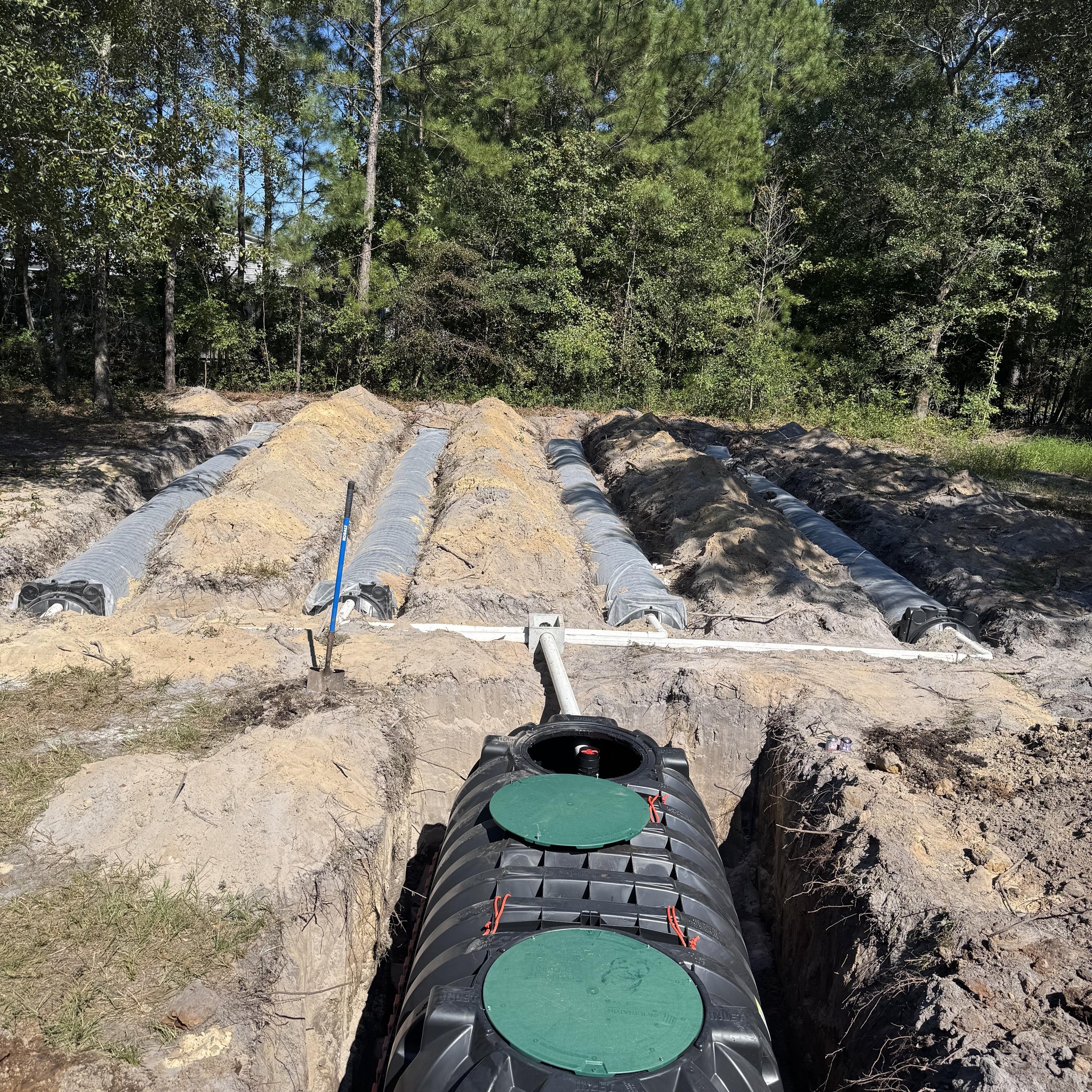
The absorption field, or drain field, is another critical component of your septic system that requires attention. The drain field treats wastewater by allowing it to percolate into the surrounding soil. Keeping the area around your drain field clear of deep-rooted plants and heavy equipment is vital. Roots can interfere with and damage the pipes, while heavy equipment can compact the soil, hindering proper drainage. Moreover, directing surface water away from this area can prevent overload and potential system failure.
Regular inspection by a professional is another key element to a well-maintained septic system. Scheduled inspections help identify minor issues before they escalate into major problems. Professionals can spot signs of trouble such as slow drains, unpleasant odors, or wet spots near your drain field. These signs might indicate that your system is stressed or failing, and addressing them early can save you from more extensive damage.
Effective water usage is an often overlooked yet essential component of septic system maintenance. Spreading out water-intensive activities like using the washing machine and dishwasher can help avoid stressing your septic system. Additionally, installing high-efficiency toilets and showerheads can significantly reduce water usage, relieving your septic tank from unnecessary stress and helping maintain its functionality over the years.
In conclusion, regular maintenance of your septic system is an investment in your home’s infrastructure that pays off by extending the system's lifespan and preventing costly repairs. By adhering to recommended maintenance practices—such as regular pumping, being cautious about what goes down your drains, maintaining the drain field, scheduling professional inspections, and monitoring water usage—you can ensure that your septic system continues to function efficiently. At Hardin’s Septic Tank Service LLC, we are committed to providing you with the information and services necessary to keep your septic system in optimal condition. Don’t hesitate to contact us for professional advice and maintenance services designed to meet your unique needs.
/filters:no_upscale()/filters:format(webp)/media/0ecb05b7-c1d6-45f2-ba5d-a20069bacea2.jpeg)